
IFTA Reporting Tips for Minnesota Trucking Companies

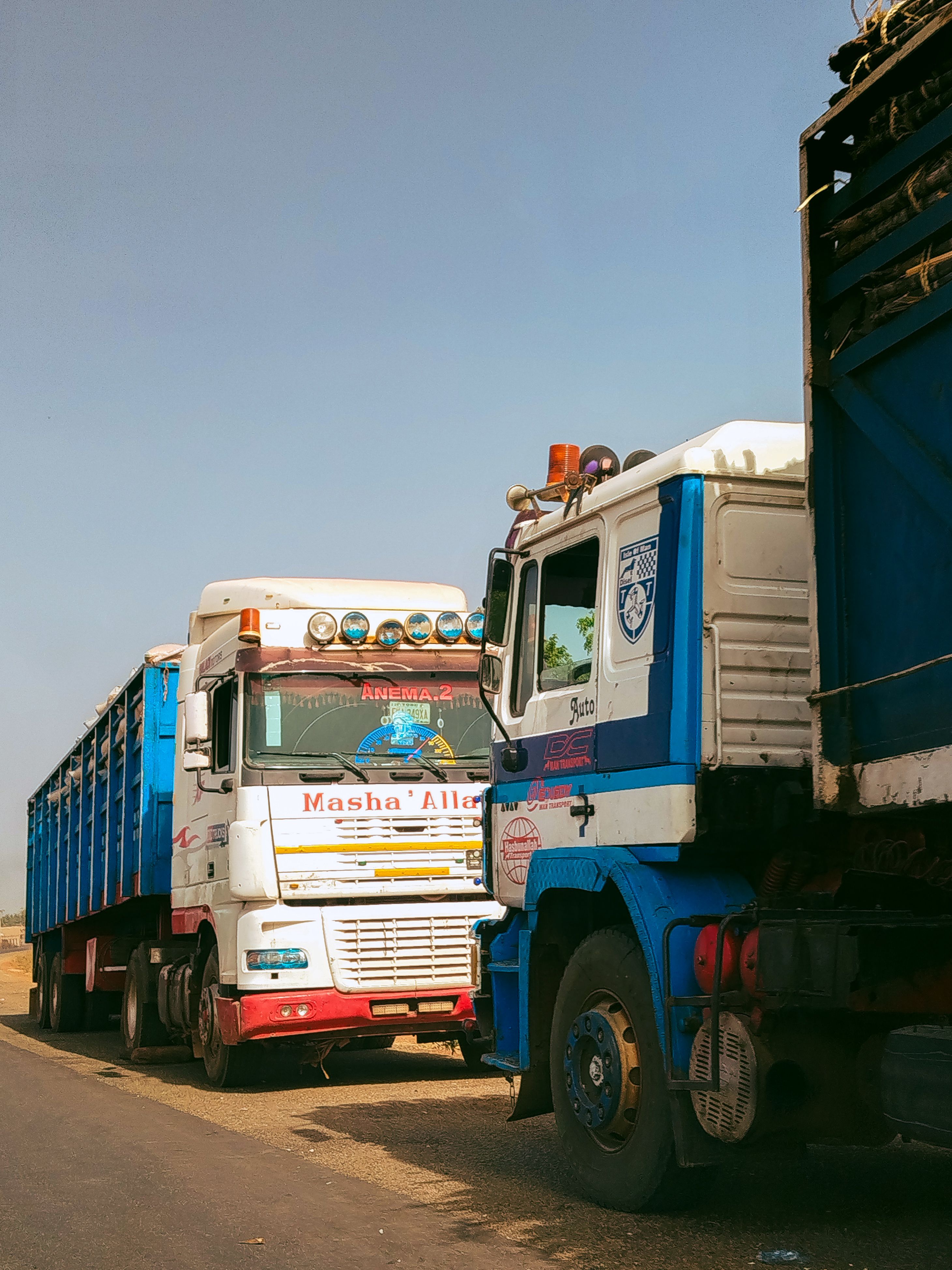
What Do Owner-Operators Need to Know About IFTA Fuel-Tax Filing and IRP?
Owner-operators who operate qualifying vehicles across multiple jurisdictions may need both IFTA fuel-tax reporting and IRP apportioned registration. IFTA handles fuel-tax reporting based on where fuel is purchased and miles are traveled, while IRP apportions registration fees among participating jurisdictions based on fleet operations.
Definition: IFTA and IRP
IFTA, or the International Fuel Tax Agreement, simplifies fuel-tax reporting for qualified interstate motor carriers by allowing them to file through a base jurisdiction instead of filing separately in every participating jurisdiction.
IRP, or the International Registration Plan, is a registration agreement that allows qualifying commercial vehicles to operate across multiple jurisdictions under apportioned registration.
Key Takeaways
- IFTA and IRP are separate programs, but both rely heavily on accurate mileage records.
- Owner-operators should track miles traveled by jurisdiction and maintain fuel-purchase records.
- IFTA reporting is generally filed on a recurring basis, while IRP registration is renewed according to the applicable registration cycle.
- Clean trip records make both fuel-tax reporting and apportioned registration easier to manage.
- Minnesota-based owner-operators should keep operational records organized and available when required.
Why IFTA and IRP Matter for Owner-Operators
IFTA and IRP are designed to simplify interstate operations, but they still require accurate records.
IFTA focuses on fuel-tax reporting. Instead of separately reporting fuel taxes to every participating jurisdiction, a carrier generally reports through its base jurisdiction.
IRP focuses on vehicle registration. Registration fees are apportioned among participating jurisdictions based on how the fleet operates.
For owner-operators who travel across state lines, the two programs often work alongside one another even though they serve different purposes.
What Records Are Important for IFTA Filing?
Owner-operators should maintain organized records showing:
- Dates of travel
- Trip origins and destinations
- Routes traveled
- Beginning and ending mileage
- Total trip miles
- Miles traveled by jurisdiction
- Fuel purchases
- Fuel type
- Gallons purchased
- Vehicle or unit information
Minnesota IRP/IFTA guidance states that mileage and fuel records are used to support both annual IRP registration and quarterly IFTA fuel-tax reporting.
What Fuel Records Should Be Kept?
Fuel-purchase documentation should clearly support the fuel reported.
Records may include:
- Fuel receipts
- Vendor invoices
- Credit-card receipts
- Automated vendor-generated invoices
- Date of purchase
- Seller information
- Gallons or liters purchased
- Fuel type
- Vehicle or unit number
- Purchaser information
Minnesota guidance notes that fuel-purchase records are important when claiming credit for tax-paid fuel.
What Is Required for IRP Registration in Minnesota?
Minnesota-based registrants generally need to establish Minnesota as their base jurisdiction and provide required registration and operational documentation.
Depending on the situation, required documentation may include:
- Proof of vehicle ownership
- Previous registration records
- Heavy Vehicle Use Tax documentation
- Lease agreements where applicable
- Minnesota presence documentation
- Operational records for the fleet
Minnesota’s IRP manual also notes that resident owner-operators leased to an out-of-state carrier may, in some circumstances, register through the carrier’s base jurisdiction when the vehicle is included in that carrier’s IRP fleet.
How Should Owner-Operators Organize IFTA and IRP Records?
1. Track Mileage by Jurisdiction
Record where each trip begins and ends and how many miles are driven in each state or province.
2. Keep Fuel Receipts Organized
Match fuel purchases to the correct vehicle and reporting period.
3. Review Records Monthly
Monthly review makes it easier to identify missing receipts, incomplete trip records, and mileage discrepancies before filing deadlines.
4. Reconcile Mileage and Fuel Data
Compare trip records, fuel purchases, and bookkeeping data so the information used for reporting is consistent.
5. Prepare Before Filing or Renewal Deadlines
Do not wait until the final days before an IFTA filing or IRP renewal to organize records. Regular review reduces rushed corrections and missing documentation.
Common IFTA and IRP Recordkeeping Problems
Owner-operators can run into problems when records are incomplete or inconsistent.
Common issues include:
- Missing fuel receipts
- Incorrect jurisdiction mileage
- Incomplete trip logs
- Delayed record entry
- Mileage totals that do not reconcile
- Fuel purchases assigned to the wrong vehicle
- Poor coordination between operational and bookkeeping records
A consistent monthly process helps reduce these issues.
Why Bookkeeping Still Matters
IFTA and IRP are compliance programs, but bookkeeping still plays an important supporting role.
Accurate books make it easier to locate fuel expenses, review operating costs, and reconcile records. When bookkeeping and operational records are updated together, reporting becomes easier to verify.
For ongoing financial organization, see Bookkeeping & Tax Planning.
For IFTA and IRP support, see IFTA & IRP.
Frequently Asked Questions
What is the difference between IFTA and IRP?
IFTA is primarily used for interstate fuel-tax reporting, while IRP is used for apportioned vehicle registration across participating jurisdictions.
Do owner-operators need both IFTA and IRP?
Some interstate owner-operators may need both, depending on the vehicle, operating area, and registration arrangement. Requirements can vary, so the carrier should confirm which programs apply to its specific operation.
What records are most important for IFTA reporting?
Mileage by jurisdiction, trip records, and fuel-purchase documentation are among the most important records for IFTA reporting.
How often should owner-operators review IFTA records?
Monthly review is a strong best practice because it helps identify missing receipts, mileage discrepancies, and incomplete trip information before the reporting deadline.
Can poor bookkeeping affect IFTA reporting?
Yes. Missing or poorly categorized fuel expenses and incomplete records can make it harder to reconcile the information needed for accurate reporting.
Where can Minnesota owner-operators get help with IFTA and IRP?
Rolling Blue Logistics provides IFTA and IRP support for trucking businesses and owner-operators. See the IFTA & IRP service page for more information.


